Chưa phân loại
7 Signs Cuticle Nippers Need Sharpening
7 Signs Cuticle Nippers Need Sharpening
A flawless manicure doesn’t depend solely on skill, it also depends on the condition of your tools. Even the most experienced nail technician can struggle to achieve clean, precise results if their cuticle nippers have lost their sharp edge.
Recognizing the signs cuticle nippers need sharpening early helps prevent painful pulling, uneven cuts, damaged skin, and unnecessary wear on your tools. Instead of waiting until performance noticeably declines, learning these warning signs allows you to maintain professional-quality services while extending the lifespan of your equipment.
In this guide, we’ll explore the seven most common signs cuticle nippers need sharpening, explain why sharp blades matter, and share practical maintenance tips to keep your professional cuticle nippers performing like new.
Why Sharp Cuticle Nippers Matter
Sharp blades are essential for every nail technician because they directly affect both service quality and client comfort. Properly sharpened professional cuticle nippers create smooth, precise cuts with minimal effort, reducing the risk of tearing delicate skin around the nail.
On the other hand, dull cuticle nippers require more force, often leading to jagged cuts, client discomfort, and inconsistent manicure results. Over time, continuing to use dull blades can even shorten the lifespan of the tool by placing unnecessary stress on its joints and spring.
Regular cuticle nipper maintenance, combined with scheduled sharpening, ensures:
- Cleaner and more precise cuticle trimming
- Greater comfort for clients
- Faster and more efficient manicure services
- Longer-lasting stainless steel cuticle nippers
- Reduced replacement costs
Whether you work in a busy salon or perform personal nail care at home, keeping your tools sharp is an investment in quality and safety.
7 Signs Cuticle Nippers Need Sharpening
1. Your Cuticle Nippers Pull Instead of Cut
One of the clearest signs cuticle nippers need sharpening is when the blades begin pulling or tugging at the cuticle instead of making a clean cut.
Sharp blades should glide smoothly through loose cuticle tissue with little resistance. If you notice skin stretching, tearing, or snagging before it’s cut, the blade has likely become dull.
Ignoring this issue can increase the risk of hangnails, skin irritation, and minor injuries for your clients.
2. You Need More Pressure to Make Every Cut
Have you started squeezing harder than usual?
If so, your tool is probably losing its cutting edge.
A properly sharpened cuticle nipper should cut effortlessly with light hand pressure. When additional force becomes necessary, it’s often a sign that the blade no longer has sufficient sharpness.
Using excessive pressure also increases hand fatigue during long appointments.
3. The Blade Shows Rust or Surface Pitting
Not every cutting problem can be solved by cuticle nipper sharpening.
If you notice rust spots, corrosion, or pitting on the blade surface, sharpening alone won’t restore the original cutting performance. Corrosion changes the blade’s structure, creating rough cutting edges that can damage skin.
In these cases, replacing the tool is usually the safest option.
High-quality stainless steel cuticle nippers are much more resistant to rust when properly cleaned and dried after every use.
4. The Spring Feels Stiff or Uneven
The blade isn’t the only component that affects cutting performance.
A worn spring can cause the handles to feel inconsistent or difficult to operate, making precise trimming much harder.
If the opening and closing action feels rough or uneven, inspect both the spring and the pivot area. Lubricating the joint may help temporarily, but damaged springs often require repair or replacement.
5. Clients Experience More Discomfort
If your clients suddenly become more sensitive during cuticle trimming—even though your technique hasn’t changed—it may be time to inspect your tools.
One of the overlooked signs cuticle nippers need sharpening is increased discomfort caused by dull blades pulling rather than slicing cleanly.
Comfortable service is often one of the first indicators that your nippers are performing properly.
6. The Jaws No Longer Align Perfectly
Close the jaws and hold the nippers toward a light source.
A quality pair of cuticle nippers should close evenly with no visible gap along the cutting edge.
Misaligned jaws create uneven pressure, causing incomplete cuts, snagging, and reduced precision.
This issue may require professional adjustment rather than simple sharpening.
7. It’s Been More Than Three Months Since Your Last Sharpening
Even the best cuticle nippers eventually lose their edge.
For nail technicians working daily, most tools benefit from professional sharpening every two to four months, depending on usage frequency and maintenance habits.
Waiting until the blades become noticeably dull often means service quality has already declined.
Following a preventative sharpening schedule is far more effective than reacting after problems appear.
What Should You Do If You Notice These Signs?
Once you’ve identified these signs cuticle nippers need sharpening, the next step depends on the condition of your tool.
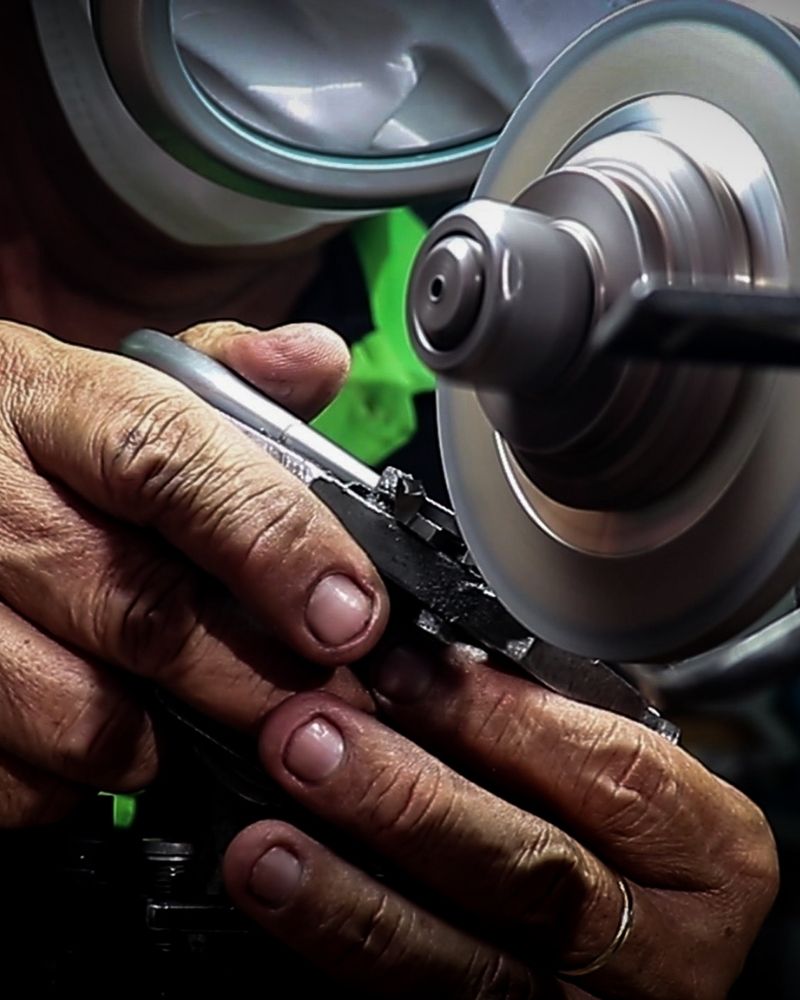
Sharpen Your Nippers If:
- The blade simply feels dull.
- Cutting requires more pressure.
- Minor pulling has started.
- The jaws remain properly aligned.
- There is no rust or structural damage.
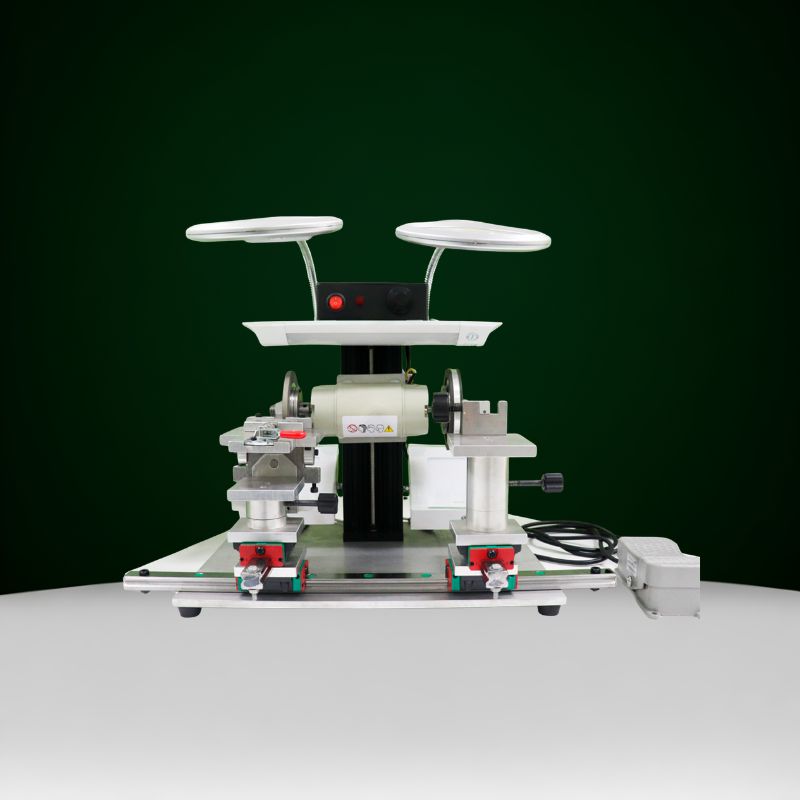
Professional cuticle nipper sharpening can restore the original cutting performance and significantly extend the tool’s lifespan.
Replace Your Nippers If:
- Rust or corrosion has developed.
- The blade has deep pitting.
- The spring is broken or severely worn.
- The jaws are bent or permanently misaligned.
Attempting to sharpen structurally damaged tools may compromise safety and precision.
How to Prevent Your Cuticle Nippers from Becoming Dull
The easiest way to avoid frequent sharpening is to establish a simple maintenance routine.
Professional nail technicians should:
- Clean blades immediately after every service.
- Dry tools thoroughly before storage.
- Disinfect using approved solutions.
- Store nippers in a protective case.
- Lubricate the pivot periodically.
- Schedule routine sharpening before performance declines.
Consistent cuticle nipper maintenance not only improves cutting quality but also protects your investment in professional tools.
Professional Tip
Experienced nail technicians rarely wait until their tools stop cutting properly.
Instead, they inspect blade performance weekly and follow a preventive sharpening schedule based on workload. This approach delivers consistently clean manicures, reduces client discomfort, and helps preserve expensive professional cuticle nippers for years.
Frequently Asked Questions
How often should cuticle nippers be sharpened?
Professional nail technicians typically sharpen their cuticle nippers every 2-4 months, depending on usage. High-volume salons may require more frequent sharpening.
Can dull cuticle nippers damage the skin?
Yes. Dull cuticle nippers tend to pull and tear rather than cut cleanly, increasing the risk of discomfort, hangnails, and minor skin injuries.
Can rusty cuticle nippers be sharpened?
Minor surface discoloration may sometimes be removed, but rust, corrosion, or deep pitting usually indicates permanent blade damage. Replacement is generally safer than sharpening.
Do stainless steel cuticle nippers stay sharp longer?
High-quality stainless steel cuticle nippers generally retain their edge longer than lower-grade materials and offer superior resistance to corrosion when properly maintained.
Recognizing the signs cuticle nippers need sharpening before they become a serious problem is essential for maintaining precise, comfortable, and professional manicure services. A simple maintenance routine, combined with regular sharpening, helps extend the lifespan of your tools while improving every client’s experience.
For nail technicians who demand long-lasting performance, investing in premium stainless steel cuticle nippers and following a consistent cuticle nipper maintenance schedule is the key to achieving clean, effortless cuts every time.
If you’re looking for salon-grade tools designed for durability and precision, explore the VinaNippers VNC Series engineered to hold a sharp edge longer and deliver reliable performance for professional nail care.

Most viewed article

Top 5 Best Cuticle Nippers for Nail Technicians

Mastering the Art of Choosing the Best Cuticle Nippers: A Guide

How to Use Cuticle Nippers Properly: A Step-by-Step Guide by Vina Nipper

Toenail Nippers vs. Cuticle Nail Cutter: Choosing the Best Tools for Nail Car