Chưa phân loại
Cuticle Care Guide 101: A Professional’s Handbook
Cuticle Care Guide 101: A Professional’s Handbook
Cuticle care sits at the center of every manicure and pedicure, yet it’s one of the most rushed or misunderstood steps in the process. This cuticle care guide breaks down the technique, tools, and aftercare that separate a professional-quality service from one that leaves clients with ragged, irritated skin.
Why This Cuticle Care Guide Matters for Every Salon
The cuticle isn’t just extra skin to clip away. It’s a natural seal that protects the nail matrix from bacteria and fungal infection. A rushed or overly aggressive cuticle care routine, especially cutting live tissue instead of just the dead, hanging skin, is one of the leading causes of infection, hangnails, and slow nail growth. Technicians who follow a consistent, correct routine produce cleaner results and fewer client complaints, which is why cuticle technique is one of the first things covered in professional nail training.
Step-by-Step Professional Cuticle Care Guide
- Soften first. Soak hands in warm water or apply a cuticle softener/remover for 3 to 5 minutes. Never work on dry, unprepped cuticles.
- Push, don’t force. Use a metal or wooden cuticle pusher at a low angle to gently push back the softened cuticle. Stop if you feel resistance.
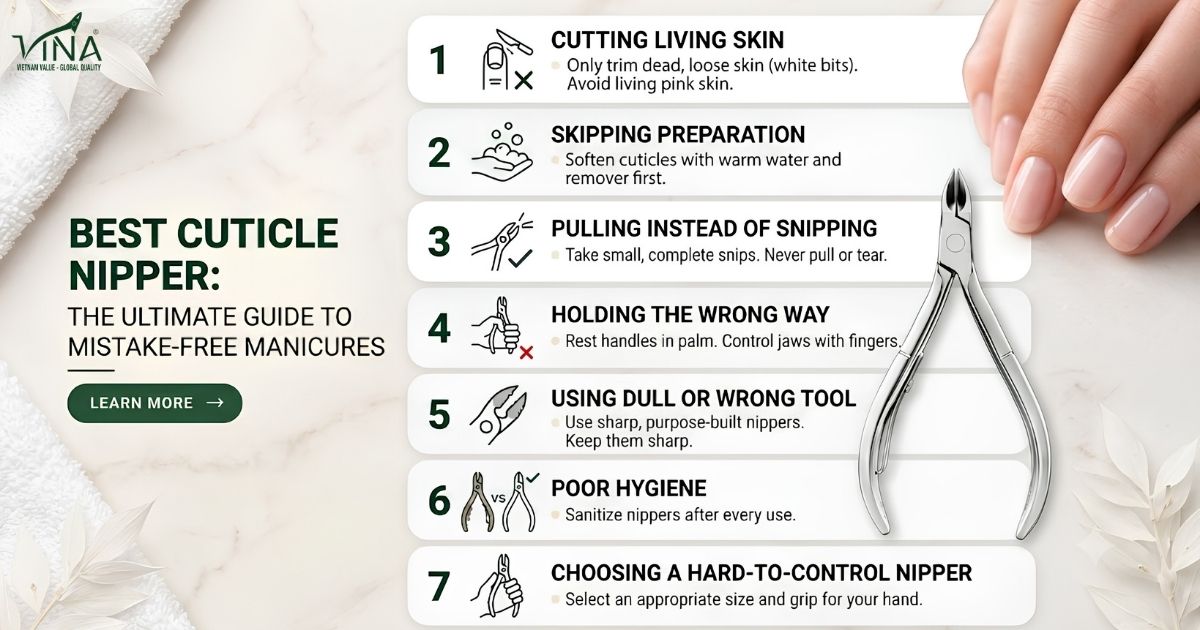
- Trim only dead tissue. With a sharp cuticle nipper, remove only the loose, dead skin and hangnails. Never cut into the living cuticle attached to the nail plate.
- Sanitize between clients. Nippers should be disinfected or autoclaved after every use, and replaced or professionally sharpened once the edge starts to drag rather than cut cleanly.
- Moisturize and seal. Finish with cuticle oil to rehydrate the skin and support healthy regrowth.
Choosing the Right Tools: Why Your Cuticle Nipper Matters
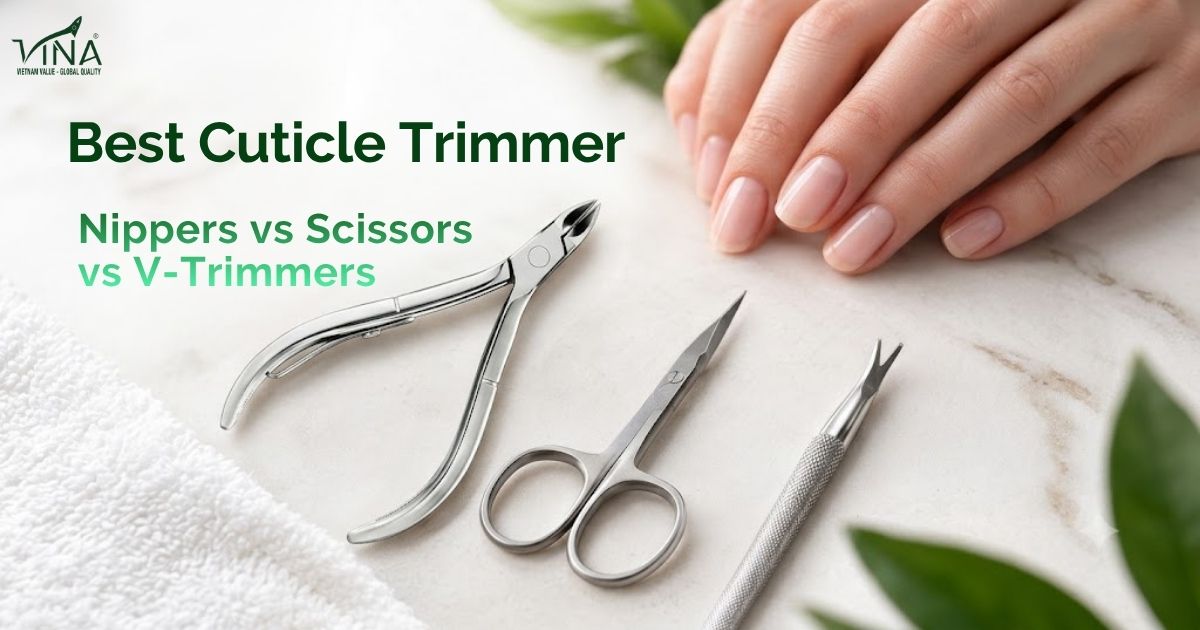
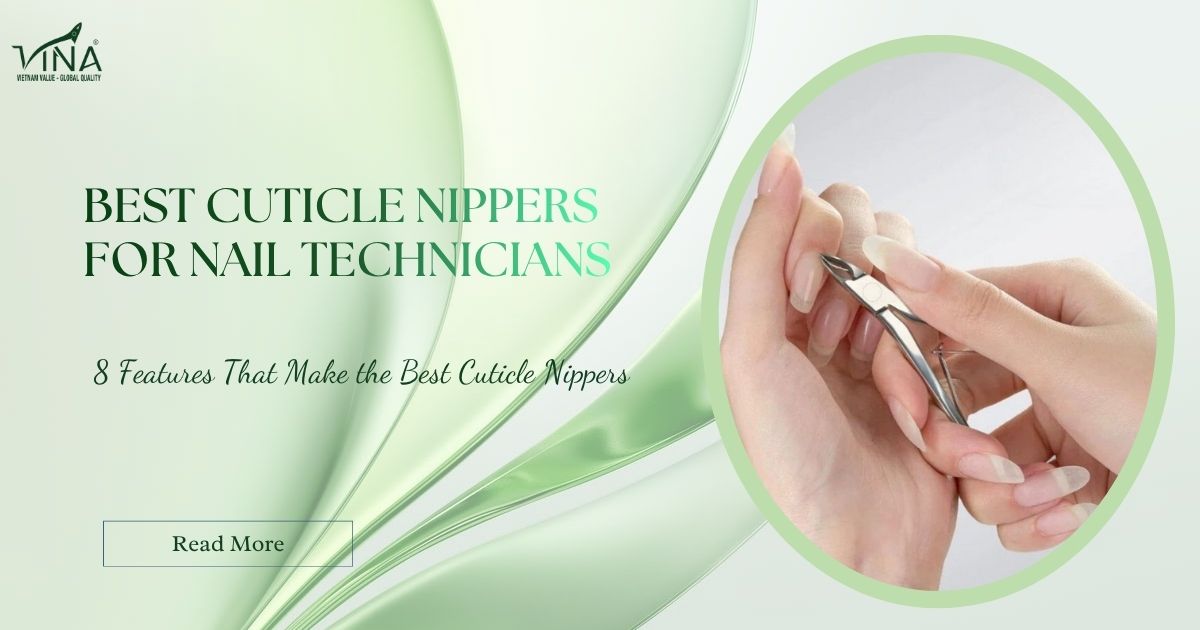
No cuticle care guide is complete without covering the tool itself. A cuticle care routine is only as good as the tool doing the cutting. A dull or poorly forged nipper crushes and tears skin instead of slicing it cleanly, which is what actually causes irritation, hangnails, and slower healing, not the cuticle care itself. This is where the choice of nipper brand and steel type becomes part of the technique.
Vina Nippers, a Vietnam-based cuticle and nail nipper manufacturer, produces two nipper lines built around how technicians actually use them:
- Specialty steel cuticle nippers: engineered for maximum sharpness and fine control, ideal for detailed cuticle work where precision matters most.
- Stainless steel cuticle nippers: built for durability and easy sterilization, a better fit for high-volume salons doing back-to-back services all day.
Because Vina Nippers manufactures directly rather than reselling generic stock, salons and distributors get consistent sharpness across every order, along with OEM support for salons and academies that want their own branded tools.
Cuticle Care Guide: Common Mistakes to Avoid
- Cutting live cuticle tissue instead of only the dead, hanging skin
- Using a dull nipper, which tears rather than cleanly cuts
- Skipping sanitation between clients, raising infection risk
- Over-pushing cuticles with too much pressure, damaging the nail matrix
- Skipping cuticle oil, which leaves skin dry and prone to hangnails
Cuticle Care Guide: How Often to Repeat the Routine
For most clients, a full cuticle care service every 3 to 4 weeks, alongside daily cuticle oil at home, keeps skin healthy without over-processing. Technicians should always assess skin condition first. Very dry or damaged cuticles may need gentler, more frequent care rather than aggressive trimming.
Frequently Asked Questions
Should cuticles be cut or just pushed back? Healthy cuticle should generally be pushed back, not cut. Only the dead, hanging skin should be trimmed, and only with a sharp, sanitized nipper.
How often should cuticle nippers be replaced or sharpened? Once a nipper starts crushing skin instead of slicing cleanly, it needs sharpening or replacement, typically every few months for a busy salon, depending on daily service volume.
Is stainless steel or specialty steel better for cuticle nippers? It depends on use case. Specialty steel holds an ultra-sharp edge better for fine detail work, while stainless steel offers more durability and easier maintenance for high-volume settings.
Follow This Cuticle Care Guide With Salon-Ready Nippers
A correct cuticle care routine starts with the right tool. This cuticle care guide only works if the nipper behind it can actually cut clean. Vina Nippers supplies precision cuticle nippers, direct factory pricing, and OEM support for salons, distributors, and nail academies worldwide.

Most viewed article

Top 5 Best Cuticle Nippers for Nail Technicians

Mastering the Art of Choosing the Best Cuticle Nippers: A Guide

How to Use Cuticle Nippers Properly: A Step-by-Step Guide by Vina Nipper

Toenail Nippers vs. Cuticle Nail Cutter: Choosing the Best Tools for Nail Car