Chưa phân loại
Nail Salon Equipment: Complete Sourcing Guide
Nail Salon Equipment: Complete Sourcing Guide
Sourcing nail salon equipment effectively means knowing which categories can be purchased from almost any reliable supplier and which ones require more careful sourcing. For salon owners and distributors, the right supplier can directly affect service quality, maintenance costs, replacement frequency, and daily operations.
This guide breaks down the main equipment categories and explains what matters when sourcing each one, whether you are opening a new salon, expanding an existing business, or supplying nail salon equipment to multiple locations.
The Core Nail Salon Equipment Categories
A functioning nail salon typically needs equipment across several essential categories:
- Workstations and seating
- Sterilization and disinfection equipment
- Professional lighting
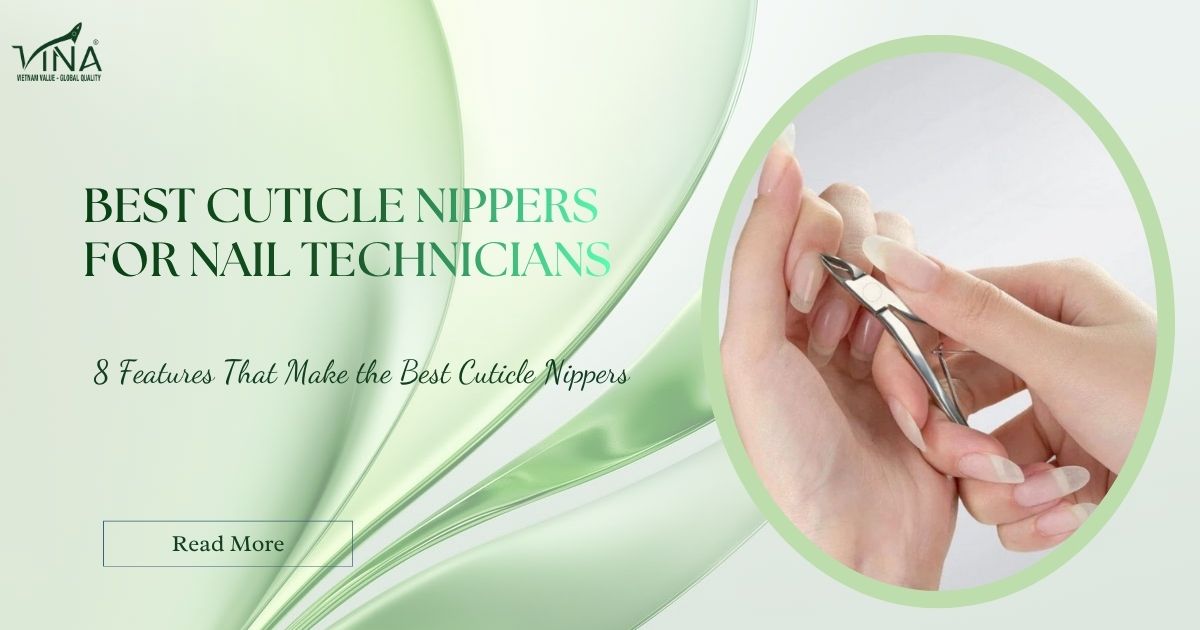
- Cuticle nippers
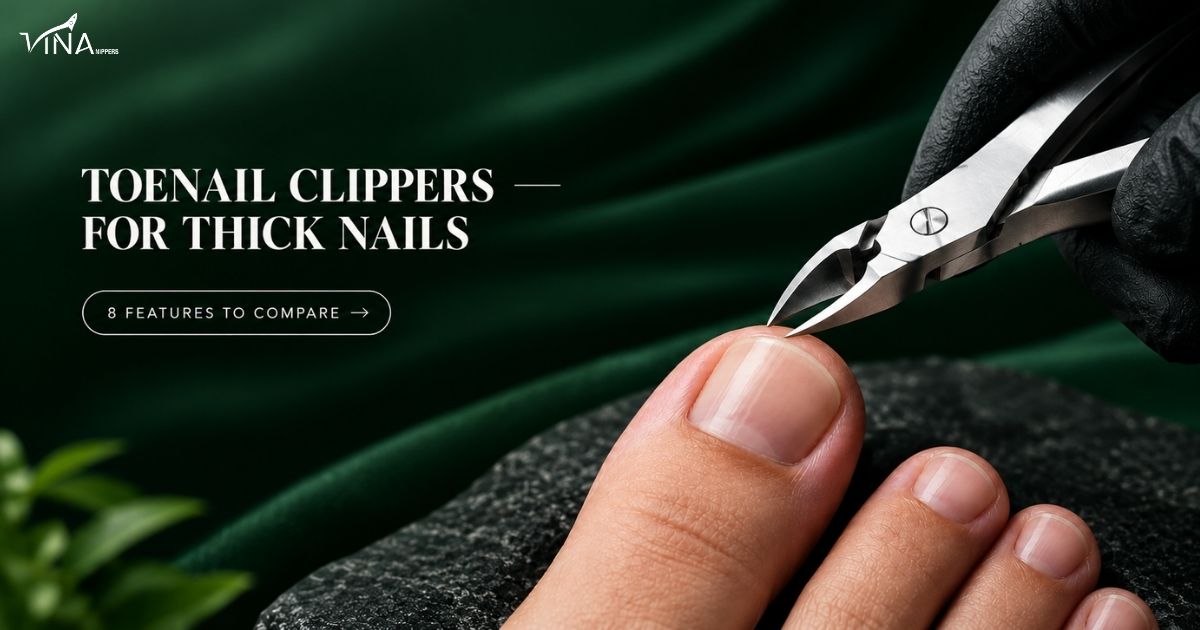
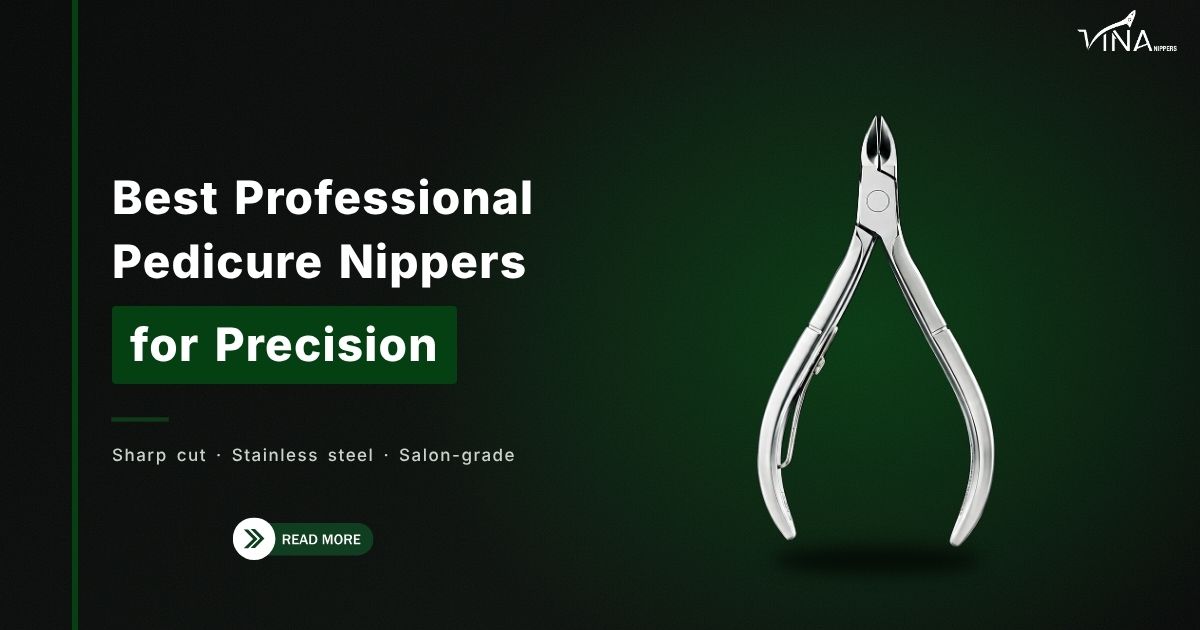
- Nail nippers
- Nail files
- Cuticle pushers
- Other professional hand tools
Workstations, seating, and lighting are generally commodity purchases. Durability, comfort, and design matter, but comparable products from different suppliers often provide similar functionality.
Hand tools and sterilization equipment deserve more attention when planning nail salon equipment purchases. These categories have a direct and ongoing impact on service quality, tool lifespan, maintenance requirements, and staff efficiency.
Why Professional Hand Tools Deserve More Attention
Among all nail salon equipment, hand tools are often overlooked during the initial purchasing process.
A salon may use the same chairs and workstations for years, while cuticle nippers and nail nippers experience repeated daily use and eventually require sharpening, maintenance, or replacement.
This makes the long-term cost of professional hand tools higher than their initial purchase price may suggest.
Tools from unclear supply chains can also create problems because the steel type, specifications, and manufacturing standards may not be clearly stated. When the steel type is unknown, maintenance requirements and sharpening intervals can become difficult to predict.
Sourcing directly from a manufacturer that clearly identifies its materials, such as carbon steel or stainless steel, gives salons greater consistency when establishing maintenance routines and training technicians.
Sterilization and Disinfection Equipment
Sterilization and disinfection equipment should be sourced differently from standard salon furniture or hand tools.
Autoclaves, UV sterilizer cabinets, and other disinfection systems may be subject to health and safety requirements that vary by state, country, or local authority. Therefore, compliance should be confirmed before purchasing rather than treated as an afterthought.
Beyond compliance, compatibility is another important consideration.
The sterilization and cleaning process should be appropriate for the materials used in your professional tools. Carbon steel and stainless steel can respond differently to moisture, cleaning agents, and disinfection procedures.
For this reason, understanding the material of your hand tools is an important part of building an effective equipment maintenance system.
Sourcing for a Single Salon vs. a Multi-Location Distributor
The right nail salon equipment sourcing strategy depends heavily on purchasing volume.
A single new salon usually purchases in relatively small quantities. Retail or wholesale suppliers can therefore be practical because they offer:
- Lower minimum order quantities
- More flexible purchasing
- Faster access to products
- Easier testing of new suppliers
For a new business, the best nail salon equipment choice is not always the lowest-priced option; flexibility and reliable supply can matter more.
A distributor supplying multiple salons or a regional retail network has different requirements. Once purchasing volume becomes predictable, moving closer to the manufacturer can provide better unit pricing and greater control over product specifications.
For example, a distributor can standardize the steel type, tool design, and specifications supplied across multiple salon locations.
Once recurring volume is high enough to meet a manufacturer’s minimum order quantity, direct sourcing can become more cost-effective than purchasing through multiple intermediary suppliers.
Domestic Distributor vs. Direct Manufacturer
When sourcing nail salon equipment, businesses generally have two main options: buying through a domestic distributor or purchasing directly from a manufacturer.
Buying from a Domestic Distributor
A domestic distributor typically offers:
- Faster fulfillment
- Smaller minimum orders
- Easier communication
- No need to manage international shipping
- Lower barriers when testing a new supplier
The main disadvantage is that an additional markup is generally built into the price.
Buying Directly from a Manufacturer
Direct manufacturer sourcing can provide:
- More competitive pricing at volume
- Greater control over product specifications
- Direct communication with the production team
- Better opportunities for consistent product supply
- Potential OEM or private-label options
The trade-offs can include larger minimum order quantities, longer lead times, and more responsibility for international logistics.
Neither model is universally better.
A single salon or small distributor testing a new product line may reasonably begin with a domestic supplier. A distributor with predictable recurring volume may benefit more from establishing a direct manufacturer relationship.
Nail Salon Equipment Checklist for New Salons
Before purchasing, create a checklist based on your actual service menu and expected customer volume.
1. Workstations and Seating
Choose workstations and seating based on the services you actually provide rather than a generic salon layout.
Consider:
- Number of technicians
- Available floor space
- Client comfort
- Storage requirements
- Electrical access
- Expected daily workload
2. Sterilization Equipment
Confirm the specific requirements of your local health authority before purchasing sterilization or disinfection equipment.
Do not assume that a system suitable for one location automatically meets the requirements of another.
3. Professional Hand Tools
Build a basic set of cuticle nippers and nail nippers with different jaw sizes, such as:
- Quarter jaw
- Half jaw
- Full jaw
Providing multiple options allows technicians to select the tool that best suits different services and working techniques.
4. Steel-Type Standard
Establish a clear standard for the tools purchased by your salon.
For example, choose whether your primary tool range will use:
- Carbon steel
- Stainless steel
A consistent material standard makes it easier to train staff on cleaning, drying, maintenance, and sharpening procedures.
5. Sharpening and Replacement Plan
Decide how tools will be maintained before they become dull.
A salon may use:
- An in-house sharpening machine
- A professional sharpening service
- A combination of both
Having a maintenance plan in advance helps avoid unexpected downtime and inconsistent cutting performance.
Frequently Asked Questions About Nail Salon Equipment
How Do I Know If My Nail Salon Equipment Supplier Is Reliable?
Look for specific information rather than vague marketing claims.
A reliable supplier should be able to provide clear details about:
- Steel type
- Product specifications
- Manufacturing capabilities
- Quality control
- Compliance documentation where applicable
- Minimum order quantities
- Lead times
- Maintenance requirements
A supplier that can answer technical questions clearly is generally easier to work with over the long term.
How to Choose the Right Equipment Supplier
The best supplier is not necessarily the one offering the lowest initial price.
Instead, consider the total cost of ownership.
For professional hand tools, this can include:
Purchase price + sharpening + maintenance + replacement frequency + staff downtime
A slightly higher-quality tool may have a better long-term value if it provides consistent cutting performance and can be maintained effectively.
For distributors, additional factors such as production capacity, minimum order quantities, lead times, customization options, and specification consistency should also be evaluated.
Why Direct Manufacturer Sourcing Can Make Sense
For businesses purchasing at recurring volume, working directly with a manufacturer can simplify the supply chain.
Instead of purchasing through several layers of distribution, the buyer can communicate specifications directly with the manufacturer and establish consistent product requirements.
This can be particularly valuable for professional hand tools where differences in steel type, jaw size, spring design, finishing, and sharpening can affect how technicians use and maintain the products.
For distributors, direct sourcing can also make it easier to maintain consistent specifications across multiple customers and locations.
Choosing Vina Nippers as Your Manufacturing Partner Nail Salon Equipment
For businesses looking to source professional hand tools directly, Vina Nippers manufactures cuticle nippers, nail nippers, and sharpening equipment for salons and distributors.
The product range includes different tool specifications and steel options, allowing businesses to select products according to their intended use and purchasing requirements.
For distributors and larger-volume buyers, working directly with a manufacturer can also provide a more streamlined approach to wholesale purchasing and product specification management.
Explore the Vina Nippers product range or contact the company for wholesale sourcing options for your salon or distribution business.
A successful sourcing strategy for nail salon equipment goes beyond finding the lowest initial price. Salon owners and distributors should consider quality, materials, durability, maintenance, supply stability, and total cost of ownership.
For furniture and basic equipment, durability and flexibility are usually key factors. For professional hand tools such as cuticle nippers and nail nippers, choosing a manufacturer that clearly states material and specifications can make a meaningful difference in daily operations.
For distributors with recurring, high-volume demand, sourcing nail salon equipment directly from a manufacturer can provide greater control over pricing, product specifications, and supply consistency.

Most viewed article

Top 5 Best Cuticle Nippers for Nail Technicians

Mastering the Art of Choosing the Best Cuticle Nippers: A Guide

How to Use Cuticle Nippers Properly: A Step-by-Step Guide by Vina Nipper

Toenail Nippers vs. Cuticle Nail Cutter: Choosing the Best Tools for Nail Car