Chưa phân loại
Common Cuticle Cutter Mistakes and Avoid
Common Cuticle Cutter Mistakes and Avoid
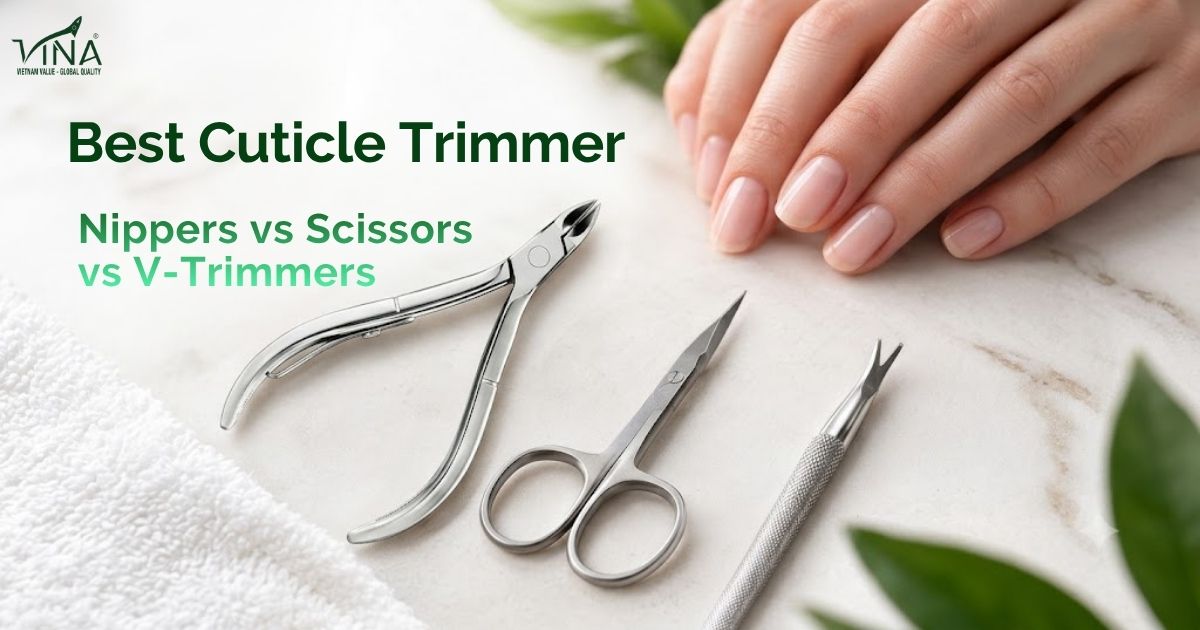
A cuticle cutter is a small but essential tool for achieving clean, healthy-looking nails. It helps remove dry, overgrown skin around the nail bed, giving your manicure a neat and polished finish. However, this small tool requires careful handling. Using a cuticle cutter incorrectly can lead to irritation, bleeding, infection, or long-term damage to the skin around your nails.
Many people assume that trimming cuticles is a simple task that doesn’t require much technique. In reality, small mistakes—like cutting dry skin, pressing too hard, or skipping proper aftercare—can turn a quick grooming routine into a painful problem. The good news is that these mistakes are easy to avoid once you understand the right approach.
In this guide, we’ll walk you through the most common mistakes people make when using a cuticle cutter, explain why they happen, and share practical, easy-to-follow tips to help you use your cuticle cutter safely and confidently.
Why Proper Cuticle Cutter Technique Matters
The cuticle is more than just extra skin around your nail—it acts as a natural barrier that protects the nail bed from bacteria, fungus, and other irritants. When a cuticle cutter is used carelessly, this protective barrier can be broken, leaving the skin vulnerable to redness, swelling, and even infection.
On top of that, poor technique can affect how your nails look and feel over time. Cutting too aggressively may lead to rough regrowth, while using a low-quality or dirty cuticle cutter can cause uneven cuts or hygiene issues. Understanding proper technique isn’t just about achieving a nicer manicure—it’s about protecting your skin and keeping your hands healthy in the long run.
Common Mistakes and How to Fix Them
Mistake 1: Cutting Dry Cuticles
One of the most common mistakes is trimming cuticles without softening them first. Dry skin is tougher and less flexible, which makes it harder to cut cleanly. This increases the risk of tearing, snagging, or leaving jagged edges that can catch on clothing or fabric. Fix: Soak your hands in warm water for 3–5 minutes, or apply a cuticle softener before using your cuticle cutter. This simple step makes the skin easier and safer to trim.
Mistake 2: Cutting Too Much Skin
It’s tempting to remove as much cuticle as possible for a “cleaner” look, but cutting too deep exposes the nail bed and removes the skin’s natural protection. This can lead to sensitivity, bleeding, and a higher risk of infection. Fix: Only trim the loose, dead skin that has already separated from the nail. Leave the healthy, attached cuticle in place to protect the nail bed.
Mistake 3: Using a Dull or Dirty Cuticle Cutter
A dull blade doesn’t cut cleanly—it tends to pull, tear, or crush the skin instead. Meanwhile, a cuticle cutter that hasn’t been properly cleaned can transfer bacteria, increasing the risk of infection. Fix: Sanitize your cuticle cutter with rubbing alcohol before and after every use. Replace the tool once the blade becomes dull or shows signs of wear.
Mistake 4: Applying Too Much Pressure
Pressing down hard on the blade may seem like it gets the job done faster, but it often results in uneven cuts, pain, or accidental bleeding, especially if the skin shifts unexpectedly. Fix: Use light, controlled movements. Let the sharp blade do the work instead of forcing it through the skin.
Mistake 5: Skipping Aftercare
Many people trim their cuticles and move on without applying any moisturizer. This leaves the skin dry, tight, and more prone to cracking or peeling in the following days. Fix: Apply cuticle oil or hand cream immediately after trimming to keep the skin soft, hydrated, and less likely to become irritated.
Mistake 6: Trimming Too Often
Some people cut their cuticles every few days, thinking it keeps nails looking neater. In reality, over-trimming weakens the skin barrier and can make cuticles grow back thicker or more irritated. Fix: Limit trimming to once every 1–2 weeks, giving the skin enough time to heal and regenerate naturally.
FAQ
Q1: How often should I use a cuticle cutter? A: Once every 1–2 weeks is usually enough. Trimming too frequently can irritate the skin and disrupt its natural protective barrier.
Q2: Is it necessary to soak my nails before cutting cuticles? A: Yes. Softened cuticles are easier to trim cleanly and reduce the risk of tearing or injury.
Q3: Can I share my cuticle cutter with others? A: It’s best to avoid sharing to prevent the risk of infection or cross-contamination between users.
Q4: What should I do if my cuticle cutter accidentally cuts the skin too deep? A: Clean the area gently with mild soap and water, apply an antiseptic if needed, and avoid touching the area with unwashed hands until it heals.
Want clean, healthy nails without the guesswork? Explore our high-quality cuticle cutters, designed for precision, comfort, and safety. Shop now and give your nails the care they truly deserve.

Most viewed article

Top 5 Best Cuticle Nippers for Nail Technicians

Mastering the Art of Choosing the Best Cuticle Nippers: A Guide

How to Use Cuticle Nippers Properly: A Step-by-Step Guide by Vina Nipper

Toenail Nippers vs. Cuticle Nail Cutter: Choosing the Best Tools for Nail Car